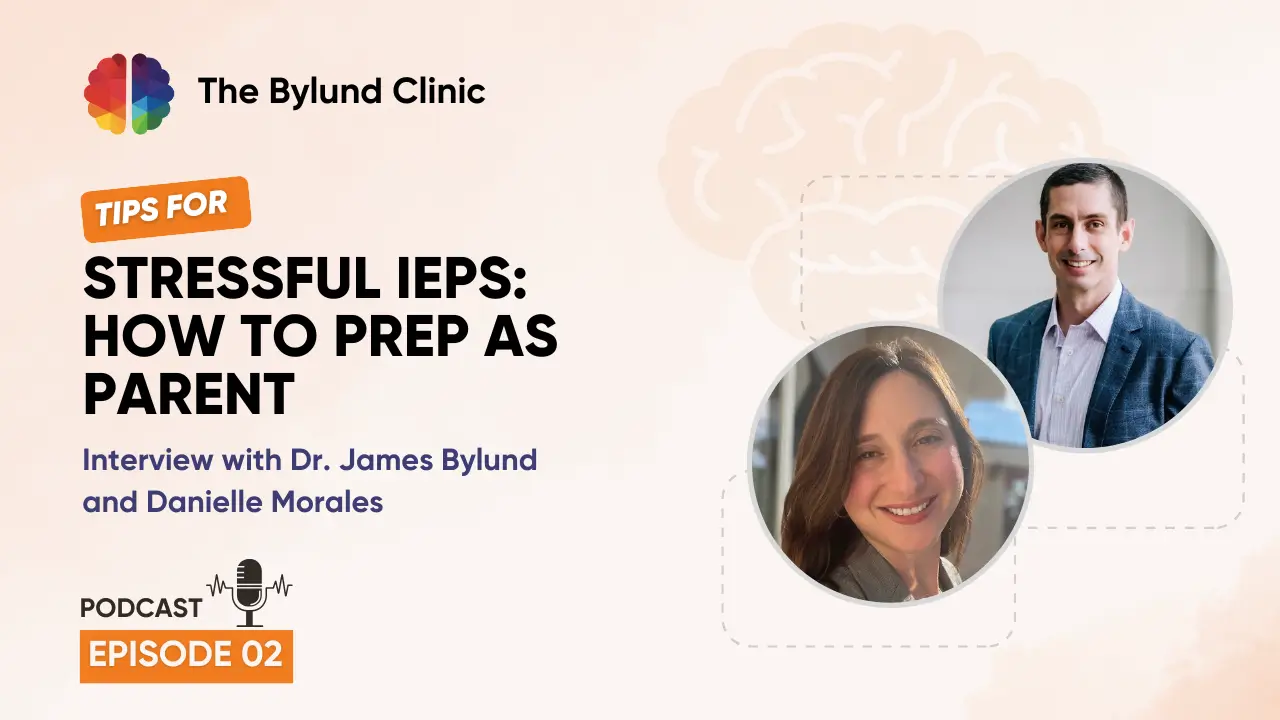
Interview with Dr. James Bylund & Danielle Morales


Dyslexia is a complex reading disorder, and many parents feel lost when it comes to diagnosis, intervention, and the educational support their child needs. This episode dives into what dyslexia is, how it differs from other reading challenges, and why having an accurate diagnosis is critical to effective intervention planning.
1. What Exactly is Dyslexia?
Understand how dyslexia affects reading fluency, word recognition, and spelling due to differences in phonemic processing. We’ll also clarify how dyslexia differs from other reading comprehension challenges.
2. The Importance of a Dyslexia Diagnosis
While schools often diagnose “Specific Learning Disability” (SLD) under IDEA, a clinical dyslexia diagnosis can provide clearer intervention guidance. We’ll discuss why understanding the specific needs associated with dyslexia can direct parents and educators to effective, research-based approaches.
3. What is Structured Literacy?
Discover the structured, sequential, and explicit method proven to help students with dyslexia. Learn about the five components of effective reading instruction—phonemic awareness, phonics, fluency, vocabulary, and comprehension—and why they matter for your child’s progress.
4. Identifying Quality Reading Programs
We’ll provide criteria to help you determine whether a reading program is appropriate for dyslexia. From phonological awareness to decoding skills and reading application, find out what makes an intervention truly effective, plus tips on group size and frequency for optimal results.
5. Advocating for Your Child’s Needs
Get practical tips for working with IEP teams, including key questions to ask about intervention programs, group size, teacher training, and structured literacy approaches.
6. What to Do if Your Child Isn’t Progressing
For parents concerned about limited school resources or slow progress, we’ll discuss private intervention options, from certified specialists to private dyslexia schools that focus on structured literacy.
Leave a Reply
Your email address will not be published. Required fields are marked *
The Bylund Clinic Podcasts
Get notified about updates and be the first to get early access to new episodes.

Guests
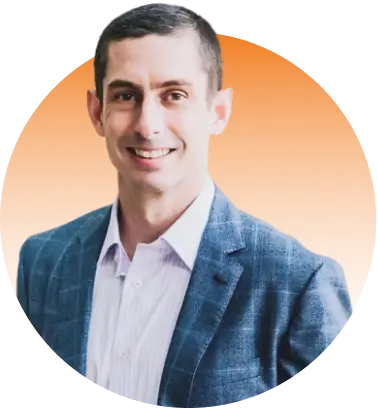
James Bylund
Psy.D, ABSNP
Dr. James Bylund brings a robust educational and professional background to his role as a licensed clinical and educational psychologist. With a Doctorate in Psychology (Psy.D.) and board certification as a Diplomate of the American Board of School Neuropsychology (ABSNP), Dr. Bylund is highly specialized in educational and neuropsychological assessment.

Danielle Morales
MA/CAS, LEP, NCSP
Danielle Morales has been a school psychologist since 2014, and earned her MA and CAS from the State University of New York at Plattsburgh. She is a Licensed Educational Psychologist in California (LEP #4035) and a Nationally Certified School Psychologist (NCSP).
James Bylund
Psy.D, ABSNP
Dr. James Bylund brings a robust educational and professional background to his role as a licensed clinical and educational psychologist. With a Doctorate in Psychology (Psy.D.) and board certification as a Diplomate of the American Board of School Neuropsychology (ABSNP), Dr. Bylund is highly specialized in educational and neuropsychological assessment.
NEWSLETTER SIGNUP
Be a part of our journey - sign up for updates and inspiration
The Bylund Clinic Podcasts
Get notified about updates and be the first to get early access to new episodes.